
Boiler servicing guide
Servicing different boiler types (combi vs system vs regular vs electric)
People say “book a boiler service” like it’s one identical job every time. In real life, the basics are the same (safety, performance, checks), but the details change depending on what you’ve actually got on the wall. This guide breaks it down without the waffle.

What’s basically the same (no matter the type)
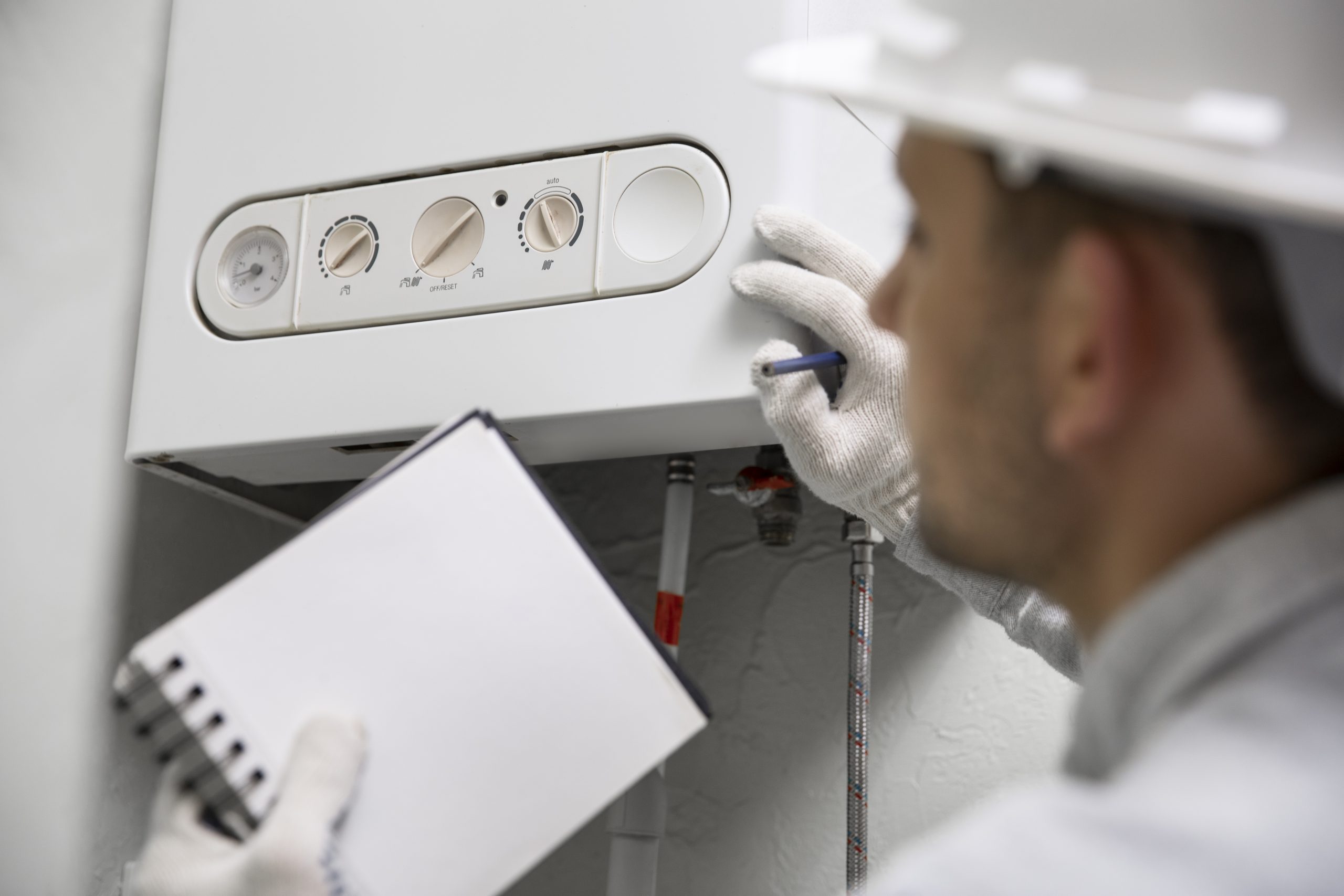
If it’s a gas boiler, the engineer should be Gas Safe registered — that’s non-negotiable. After that, most proper services have a familiar rhythm: visual checks, safety controls, combustion/flue checks, and making sure the boiler behaves properly when it’s asked for heating and hot water.
If you want the full “tick list”, we’ve got it written out properly on the boiler service checklist page — it’s handy to read once so you know what you’re paying for.
Combi boiler servicing
Combi boilers do a lot. They’re doing heating and instant hot water, constantly switching between the two. That’s why you’ll hear combis mentioned more when people talk about “pressure drops” and “hot water going warm then cold”. Not always, but it’s common.
What tends to get attention on a combi
- Diverter/flow control parts (the bits that switch between heating and hot water).
- Plate heat exchanger issues (especially in hard water areas — you’ll feel it in hot water performance).
- Condensate trap/pipe checks on condensing boilers (blockages here can cause nuisance faults).
- System pressure behaviour — if you’re topping it up every week, something’s off.
Brand-wise, the approach is still the approach — whether it’s a Baxi, Vaillant, Worcester, Ideal — it’s about doing the checks properly, not rushing through it.
System boiler servicing
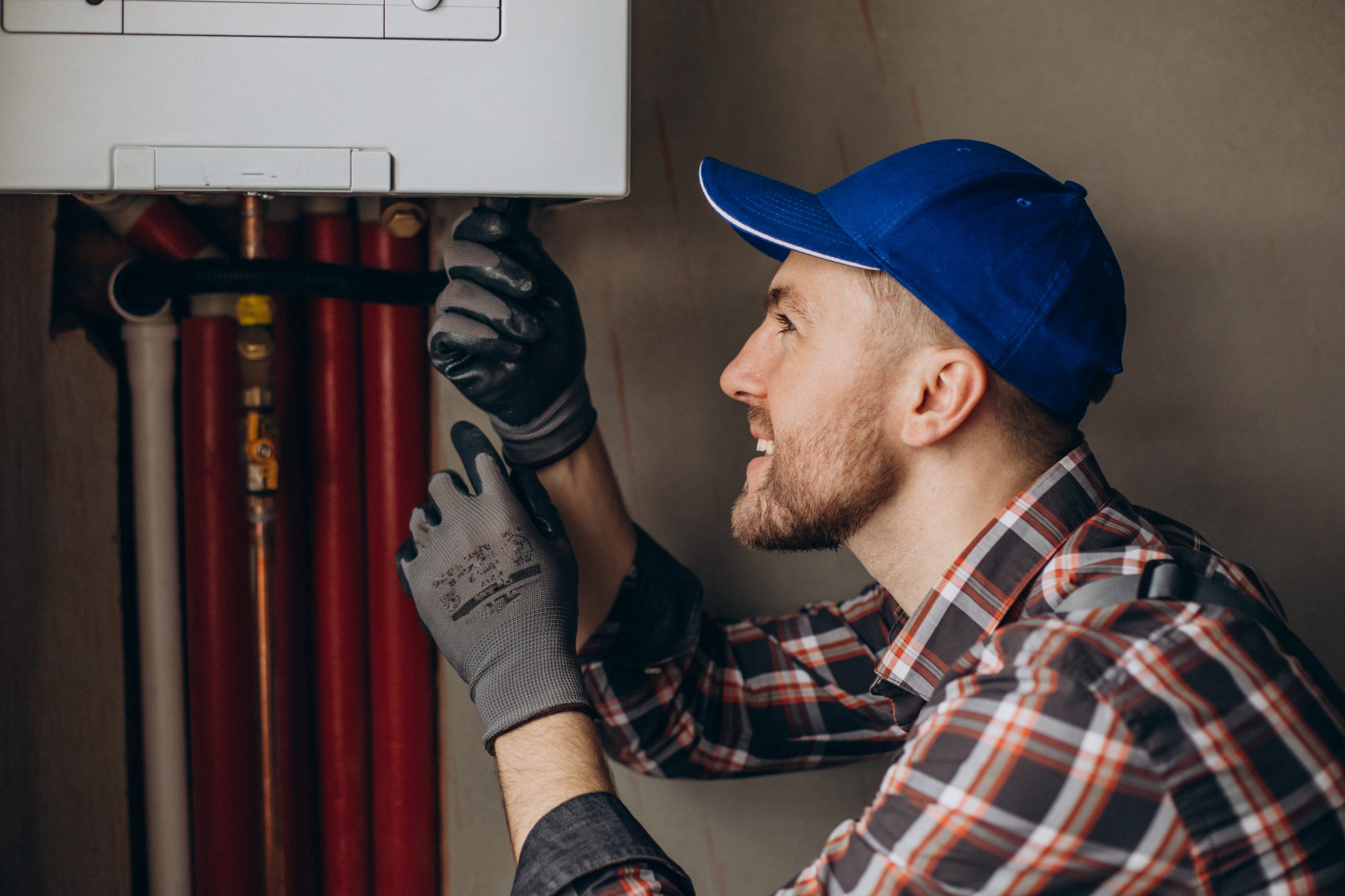
A system boiler normally sits alongside a hot water cylinder (usually in an airing cupboard). The boiler service still focuses on the boiler, but system setups come with extra “supporting cast” — valves, controls, cylinder thermostat, sometimes an external pump depending on the install.
What’s different vs a combi
- Hot water cylinder controls matter (thermostat, motorised valves) because they decide when heat goes where.
- Heating side components can be more visible on pipework (and easier to spot issues early).
- Symptoms show up differently — you might get good heating but poor stored hot water, or vice versa.
If you’re budgeting, our boiler service cost guide (UK & London) explains what usually changes a quote (and what shouldn’t).
Regular (heat-only) boiler servicing
Regular boilers are common in older houses and conversions, often with tanks/cylinders in the mix. Some of these systems are absolutely solid… they just need the basics done consistently.
Things that come up a lot on regular boilers
- Air and circulation problems (radiators needing bleeding more often than they should).
- Feed/expansion tank issues on older setups (if you’ve got a loft tank, it’s worth keeping an eye on it).
- Sludge and dirty system water showing up as uneven heating or noisy pumps.
For the safe “what you can do yourself” stuff (pressure basics, radiator bleeding, obvious visual checks), we’ve put it on the DIY boiler maintenance page. Nothing dangerous. Just sensible.
Electric boiler servicing
Electric boilers are where people get a bit complacent because there’s no flame, no gas valve, no flue gases. Fair. But they still have electrics, safety devices, pressure, seals, heat, and water… and water always finds a way.
What an engineer should still check on an electric boiler
- Electrical connections and signs of overheating (loose terminals can cook over time).
- Pressure relief/safety devices and any weeping/leaks around joints.
- Scaling (some electric units show it as poor performance or cycling).
- Controls (thermostats, timers, wiring to the system — simple stuff, but it matters).
What to say when booking (so the visit goes smoothly)
If you want the job to be straightforward, give straightforward info. Here’s what helps:
- Boiler type (combi/system/regular/electric) and the make/model.
- Any symptoms — even if they feel “small” (pressure drops, kettling noises, hot water fading, random lockouts).
- Where the boiler is and if access is tight (cupboard, high up, boxing in front of it, etc.).
- When it was last serviced (if you know). If it’s been years, just say that — no judgement.
FAQs
How do I quickly tell if I’ve got a combi?
No cylinder / no airing cupboard tank, and hot water comes out pretty much instantly? Usually a combi. If you’ve got a cylinder storing hot water, you’re normally on a system or regular boiler.
Does boiler type change the price?
It can, mostly because it changes the time needed and what’s involved around the boiler. If you want the clean breakdown (without salesy stuff), use the boiler service price guide.
If I need repairs, where do I go?
If it’s a fault situation (no heat, no hot water, leaks, error codes), head to our boiler repairs page so you book the right type of visit.
If you’re unsure what type you’ve got, send the make/model and a quick photo of the boiler area. We’ll point you in the right direction without making it a whole drama.