
Gas vs Electric Boilers: What We’re Seeing in London Homes Right Now (2025)
After years of installing and replacing boilers around London, one thing keeps coming up — most people still aren’t sure whether a gas boiler or an electric boiler actually suits their home best. And honestly, it’s not their fault. Prices keep changing, energy bills fluctuate, and every property seems to behave a bit differently.
This isn’t a textbook explanation or AI-written guide. It’s what we see every week in real homes — what tends to work, what ends up costing more than people expect, and the little details you only learn after hundreds of boiler installations across North, East and Central London.
If you’re comparing numbers, you’ll find plenty of estimates online — but our full 2025 Boiler Cost & Installation Guide breaks down every cost clearly. Here’s the short version.
How We Explain It to Customers
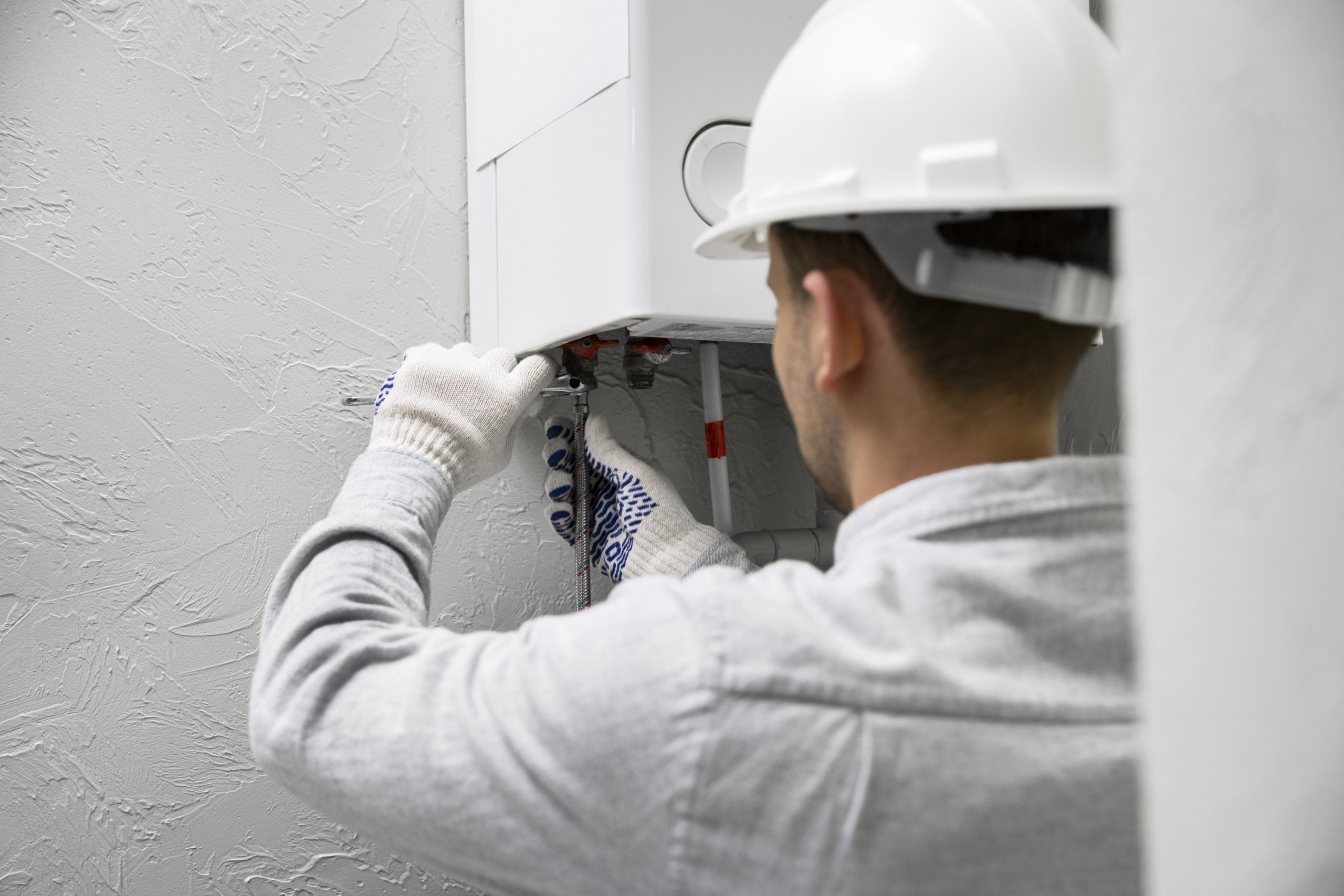
When we visit a home, we usually explain it like this — a gas boiler burns fuel, while an electric boiler heats water without burning anything. That single difference changes almost everything.
Gas boilers use a flame and flue, so the installation depends on having a safe exhaust route. In some flats or tight terraced houses, routing that flue safely can make things tricky.
Electric boilers don’t need any of that. They heat water using an element, like a large kettle — no flue, no fumes, no noise. We often fit them in flats or smaller homes where a gas setup would be awkward or impossible.
- Quiet and compact — fits neatly in cupboards.
- No condensate pipe to freeze in winter.
- Less to service, and no combustion gases.
The flip side? Running costs. Electricity still costs more per kWh than gas, which means your boiler running costs can be higher over time — especially in larger homes with big hot water demand.
Get a Free Boiler QuoteAverage Cost of a New Boiler (2025)
Boiler prices have shifted slightly this year. The following ranges are what we’re seeing most often across London for new boiler installations and boiler replacement costs UK-wide.
| Boiler Type | Installation Cost | Typical Yearly Running Cost |
|---|---|---|
| Gas boiler | £2,000 – £3,500 | £700 – £1,200 |
| Electric boiler | £1,500 – £2,500 | £1,600 – £2,600 |
So the pattern stays the same — electric boilers are cheaper to fit but more expensive to run. Gas boilers usually cost more upfront, but long-term bills tend to balance that out. If you’re deciding between replacing or repairing your boiler, this comparison helps put the numbers into perspective.
The Environmental Side
Many homeowners ask which option is greener. The answer depends on how your electricity is produced. Gas boilers produce CO₂ directly when burning fuel, while electric boilers don’t emit anything locally. However, electricity from the UK grid still carries some carbon impact — though it’s getting cleaner each year.
| Energy Source | Approx. CO₂ per kWh | Comment |
|---|---|---|
| Natural gas | 0.184 kg | Direct emissions while burning. |
| UK grid electricity (2025) | ≈0.105 kg | Gets cleaner each year as renewables increase. |
For flats or small homes with good insulation, pairing an electric boiler with a green energy tariff can make real sense. We’re also fitting more hybrid systems — for example, a heat pump with an electric boiler backup — which keeps both bills and emissions down.
Which Homes Each Type Suits Best
- 1–2 bed flats: Electric boiler — compact, clean and quiet.
- Average 2–4 bed homes: Gas combi or system boiler — reliable balance of cost and comfort.
- Larger properties: Gas system boiler or heat-only boiler with cylinder — better for heavy hot water use.
- No gas supply: Electric boiler — simplest installation route.
Quick Pros and Cons
Gas Boilers — Pros
- Lower running costs for most families.
- Handles multiple bathrooms or higher demand easily.
- Plenty of Gas Safe engineers available for support.
Gas Boilers — Cons
- Produces CO₂ while running.
- Needs annual servicing and flue access.
- Installation can be restricted by property layout.
Electric Boilers — Pros
- Simple to install — no flue, no gas pipework.
- Quiet, compact and low-maintenance.
- Ideal for small homes or properties without gas.
Electric Boilers — Cons
- Higher ongoing running costs.
- May struggle in large households with heavy demand.
- Some older homes may need an electrical upgrade first.
Still Unsure What’s Best for Your Home?
We’ll happily take a quick look at your setup and give an honest opinion — whether that’s upgrading to a new boiler installation or sticking with your current one for another year. No pushy sales talk, just real advice from engineers who fit these systems every week.
Speak with an Engineer